

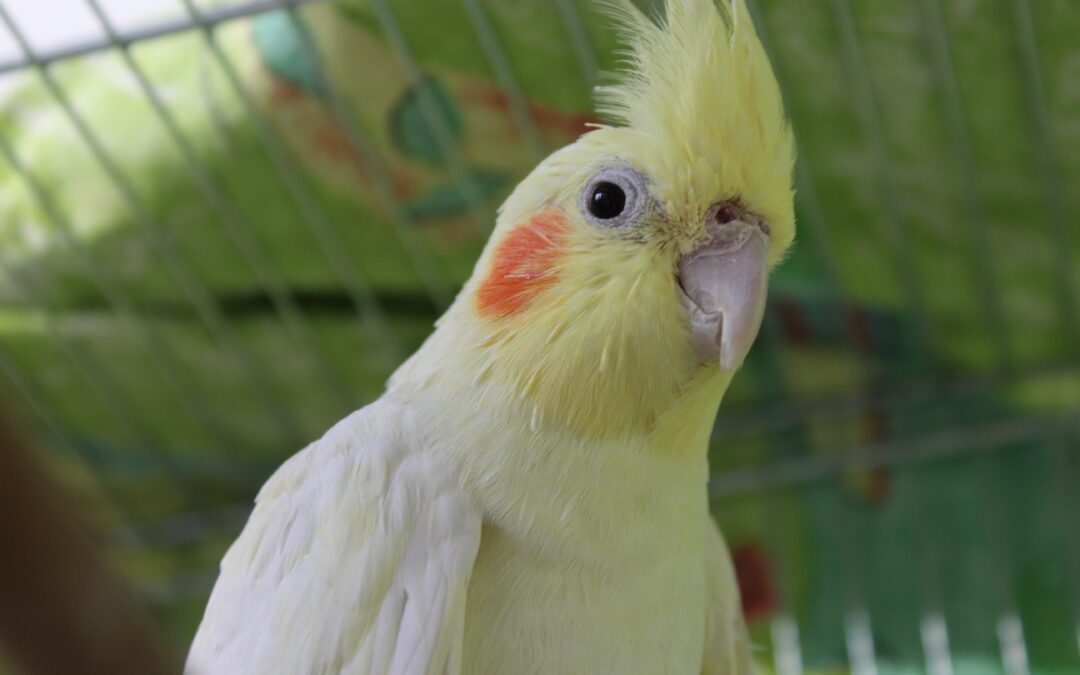
A cockatiel can be a companion for a very long time. Many owners are surprised to learn that these small parrots outlive most cats and some dogs. This guide explains the average lifespan, what shortens it, and what you can do to give your cockatiel the best chance of a long life.
Quick answer: pet cockatiels often live 15 to 20 years with good care, and some reach their mid-20s. Wild cockatiels live fewer years. Diet, exercise, vet care and a safe home make the biggest difference.
Average cockatiel lifespan
- Typical pet: 15 to 20 years
- Poor diet or care: often 5 to 10 years
- Record ages: some cockatiels have reportedly lived 25 years or more
Compare with the budgie lifespan, which is usually shorter.

What affects a cockatiel’s lifespan?
Diet
An all-seed diet is the most common cause of early illness in cockatiels. Seeds are high in fat, and low in vitamin A and calcium. This can lead to fatty liver disease, obesity and vitamin deficiency. A better diet includes pellets, fresh vegetables and a small amount of seed. See what cockatiels eat.
Exercise and space
Cockatiels need room to fly and climb. A small cage and no out-of-cage time can lead to obesity and boredom. Aim for a roomy cage and daily time outside it in a safe room.
Veterinary care
A yearly check-up with an avian vet helps to catch problems early. Birds hide illness, so a sick cockatiel may look fine until it is seriously ill. See signs of a sick bird, which also apply to cockatiels.
Safe home
Common hazards include non-stick (PTFE/Teflon) fumes, candles, aerosols, open windows, other pets and toxic foods. Cockatiels also produce a lot of fine powder down, and they are sensitive to air quality. See how to bird-proof your home.
Mental health and company
Cockatiels are social. A lonely or bored bird can develop stress behaviors, such as screaming or feather plucking (why birds pluck). Time with you, toys and foraging activities help.
Breeding
Frequent egg-laying drains a hen’s calcium and can cause egg binding. Reduce triggers, such as long light hours and nest boxes, unless you plan to breed.
Life stages
| Stage | Age |
|---|---|
| Baby / fledgling | 0 to 3 months |
| Juvenile | 3 to 12 months |
| Adult | 1 to 10 years |
| Mature | 10 to 15 years |
| Senior | 15+ years |
Signs of aging
- Slower movement and more sleep
- Duller feathers
- Arthritis or reluctance to climb
- Cloudy eyes (cataracts)
- Weight changes
- Need for lower perches and easier access to food and water
If you see changes, talk to a vet. Many age-related problems can be managed.
10 ways to help your cockatiel live longer
- Feed a pellet-based diet with vegetables and limited seeds.
- Give a large cage and daily time out of it.
- Book a yearly avian vet check-up.
- Weigh your bird weekly to spot early changes.
- Provide toys and foraging to avoid boredom.
- Keep a regular sleep routine (10 to 12 hours of darkness).
- Avoid fumes and smoke.
- Keep the cage clean and the water fresh.
- Limit breeding triggers for hens.
- Spend time every day with your bird.
FAQ
Do male or female cockatiels live longer? Females may face more reproductive risks, but with good care both can live a long time. See male vs female cockatiel.
How old is a cockatiel in human years? It is not an exact conversion, but a 15-year-old cockatiel is mature and may have age-related issues.
Can a cockatiel live alone? Yes, if it gets lots of attention. Many owners keep one bird and spend a lot of time with it.
Do cockatiels live longer than budgies? Yes, usually.
Final thoughts
With a good diet, a safe home and regular vet visits, many cockatiels live for two decades. Before you get one, be sure that you are ready for the commitment. For more, see our cockatiel care guide.
Supplies we recommend
As an Amazon Associate I earn from qualifying purchases. Affiliate disclosure.
- A small gram scale – Weekly weigh-ins catch problems early.
- A travel carrier – For yearly vet check-ups.